Moroccan Ports Enter a New Expansion Phase with Deep-Water Hubs in the Mediterranean and Atlantic
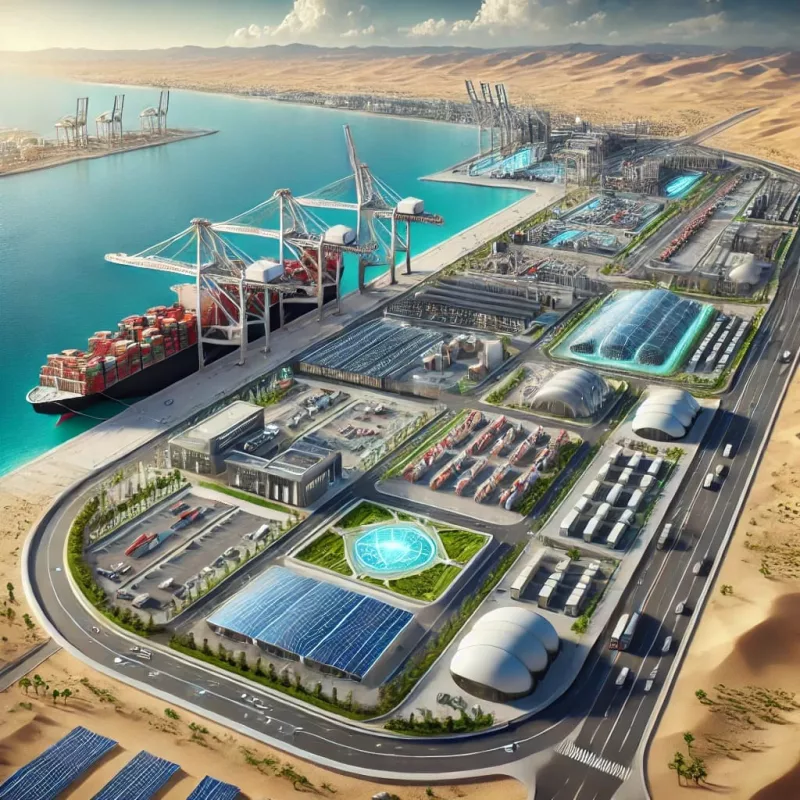
Moroccan ports are entering a new phase of strategic expansion as the government unveils major projects aimed at strengthening the country’s position as a regional logistics and energy hub, building on the success of Tangier Med, Africa’s largest port.
Minister of Equipment and Water Nizar Baraka said the Nador West Med port, currently under construction, is expected to become operational in the second half of 2026, adding a major pillar to Moroccan ports with 800 hectares allocated for industrial activities and long-term expansion plans reaching 5,000 hectares.
The port will play a key role in energy security, hosting Morocco’s first liquefied natural gas terminal connected to pipelines supplying industrial centers in the northwest, supporting the shift toward gas and renewable energy while reducing reliance on coal.
On the Atlantic coast, Morocco is developing the Dakhla port at a cost of around $1 billion.
With a depth of 23 meters, it will be the deepest port in the country, significantly enhancing the capacity of Moroccan ports to accommodate heavy industries and raw material processing from Sahel countries.
The Dakhla project includes extensive industrial and agricultural zones powered by desalinated water, reflecting an integrated approach to sustainable economic development.
Both new ports are expected to feature dedicated terminals for exporting green hydrogen once production begins, reinforcing Morocco’s clean energy strategy and its role as a gateway between Africa and global markets.
Official figures show that industrial zones around Tangier Med host about 1,400 companies employing 130,000 people, highlighting how port infrastructure continues to drive industrial growth and attract investment.